Operational and geospatial schemas require specialist knowledge
Energy / Delivered project
AI Chat Interface for Energy Data
An agentic query layer that translates business questions into governed filters, queries, maps, and cited analytical responses.
Explore the page ↓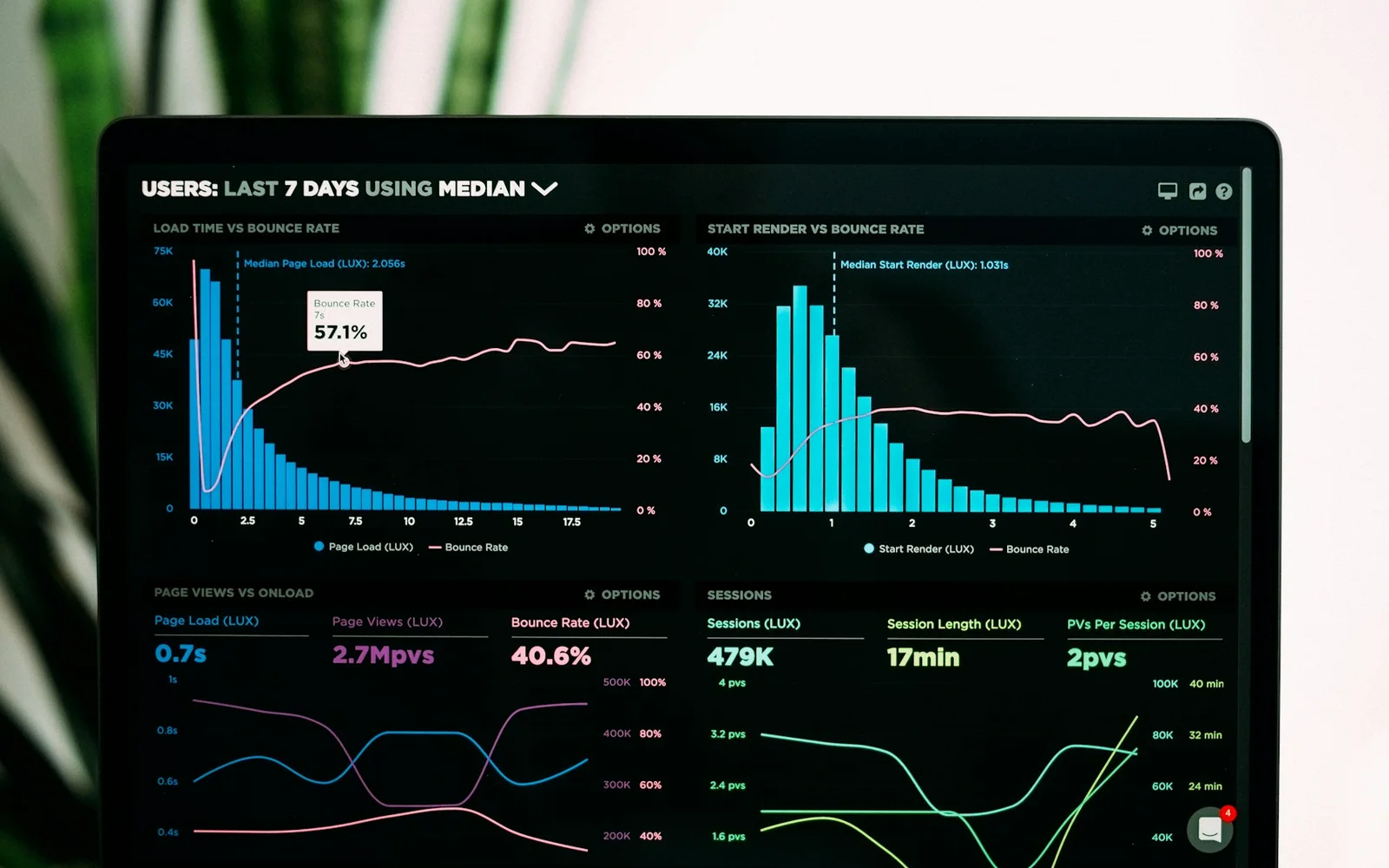
StatusDelivered project
IndustryEnergy
SystemData → Intelligence → Action
01 / Problem statementDelivered project · Energy
The operating problem
Valuable operational and geospatial datasets remain inaccessible to many users because the schema, tools, and query language require specialist knowledge.
Conditions the system must survive03 operating constraints
Natural-language questions can be ambiguous or unsafe to execute
Permissions must apply to rows, fields, tools, and generated answers
02 / How we approached it
From operating uncertainty to testable evidence.
The work was decomposed into four engineering decisions. Each one produced an artifact the customer could inspect, test, and carry into deployment.
01Frame
Create a semantic layer over approved datasets
Evidence produced
Approved semantic layer and permission model
02Evaluate
Translate questions into inspectable query plans
Evidence produced
Question-to-query benchmark across analytical task types
03Engineer
Enforce row, field, and tool permissions
Evidence produced
Execution safety and ambiguity review with analysts
04Operationalize
Return results with filters, assumptions, and sources
Evidence produced
Cited answer interface with visible filters and query trace
03 / Deployment record
Deployed around the workflow—not beside it.
The system boundary includes where inference runs, how evidence reaches existing tools, and how people handle uncertainty after launch.
Implementation statusDelivered project
01
TopologyPrivate agent and semantic-query services placed behind enterprise data and identity controls.
02
IntegrationSQL, time-series, GIS, asset, and document sources expose approved semantic entities and scoped tools.
03
OperationAmbiguous questions trigger clarification; query plans are validated before execution and answers retain source and permission context.
04 / Evaluation metrics
What must be measured before the system earns trust.
Evaluation covers model behavior, workflow burden, and production performance. The metric defines the gate; the customer baseline and acceptance threshold define the target.
01Evaluation gate
Semantic parse accuracy
How it is measured
Correct entities, filters, time windows, and intended operation.
What it decides
Determines when a plan can execute or needs clarification.
02Evaluation gate
Execution success
How it is measured
Valid, permission-compliant queries returning the intended result shape.
What it decides
Measures tool and schema reliability.
03Evaluation gate
Answer faithfulness
How it is measured
Claims supported by returned data, filters, and cited sources.
What it decides
Controls whether narrative answers can be trusted.
04Evaluation gate
Time to evidence
How it is measured
Time from question to analyst-accepted result.
What it decides
Quantifies accessibility improvement for complex data.
05 / Customer perspective
Value has to appear in the customer’s operating day.
What matters in practice
The assistant should show the interpreted question, filters, query plan, assumptions, and sources before its narrative answer.
06 / Technology context
Tools follow the system—not the other way around.
Final architecture depends on data quality, operating conditions, integrations, risk, and evaluation criteria established during discovery.
07 / Continue exploring
Related operational systems.
Explore adjacent work from the same industry or a related intelligence pattern.
View the full library ↗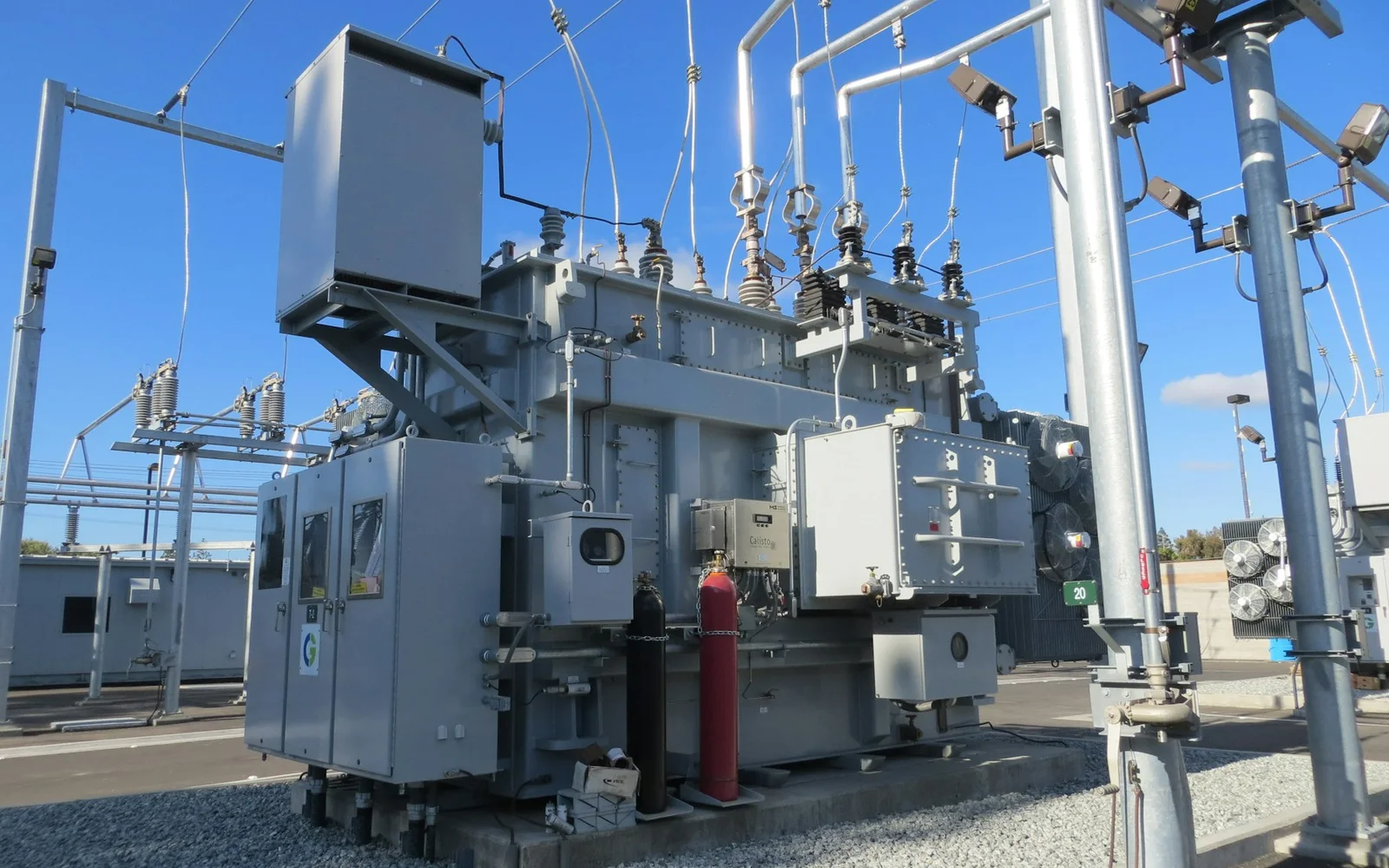 Solution blueprintPhoto · American Public Power Association
Energy
Load forecasting and asset anomaly intelligence
A forecasting and monitoring blueprint that combines grid, weather, demand, and asset signals for more informed operations.
Explore the architecture ↗ Delivered projectPhoto · Frantisek Duris
Energy
Automated Energy Data Intelligence Dashboard
A source-aware data platform for consolidating production signals, notices, market context, and operational exceptions.
View project ↗Test the operating assumption
Discuss this use case ↗